
National Recovery Month: Recovery Happens Together

September is National Recovery Month, a reminder that recovery is strengthened by connection and support. Employment can offer stability, purpose, and community. Explore practical ways employers can reduce stigma, help employees access resources, and build a workplace where people in recovery can thrive.
The Case for Including an Addiction Counselor in Your Employee Assistance Plan

Employee Assistance Programs (EAPs) have long been a cornerstone of workplace wellness. They offer confidential support for employees dealing with stress, family issues, financial strain, or mental health challenges. But as organizations confront the growing impact of substance use on workplace safety, productivity, and morale, one crucial component is often overlooked: addiction counseling.
Talking to Your Young Adult Child About Opioid Use Disorder

Talking openly with your young adult child about opioids isn’t about lecturing or controlling. It’s about connection, honesty, and making sure the person you love has the information they need to stay safe.
Recovery Support That Works in the Workplace: Accommodating Medication-Assisted Treatment (MAT) for Employees in Recovery

As employers face ongoing challenges with recruitment, retention, and productivity, one of the most overlooked opportunities is supporting employees in recovery, including those participating in medication‑assisted treatment (MAT).
The Role of Employee Assistance Programs in Substance Use Recovery

Substance use disorders affect millions of working Americans. Learn how Employee Assistance Programs (EAPs) help employees access confidential support, connect with treatment, and navigate recovery while strengthening workplace culture, safety, and long-term organizational performance.
In-Person | A Leadership Conversation: Building Stigma-Free Workplaces

Our Leadership Conversation event will feature personal storytelling, a cross-sector panel, and facilitated small-group conversations alongside individuals with lived experience. Participants will explore how stigma impacts recovery and what employers can do to respond with clarity, compassion, and confidence.
Why Arizona Businesses Should Have Naloxone (Narcan) On-Site
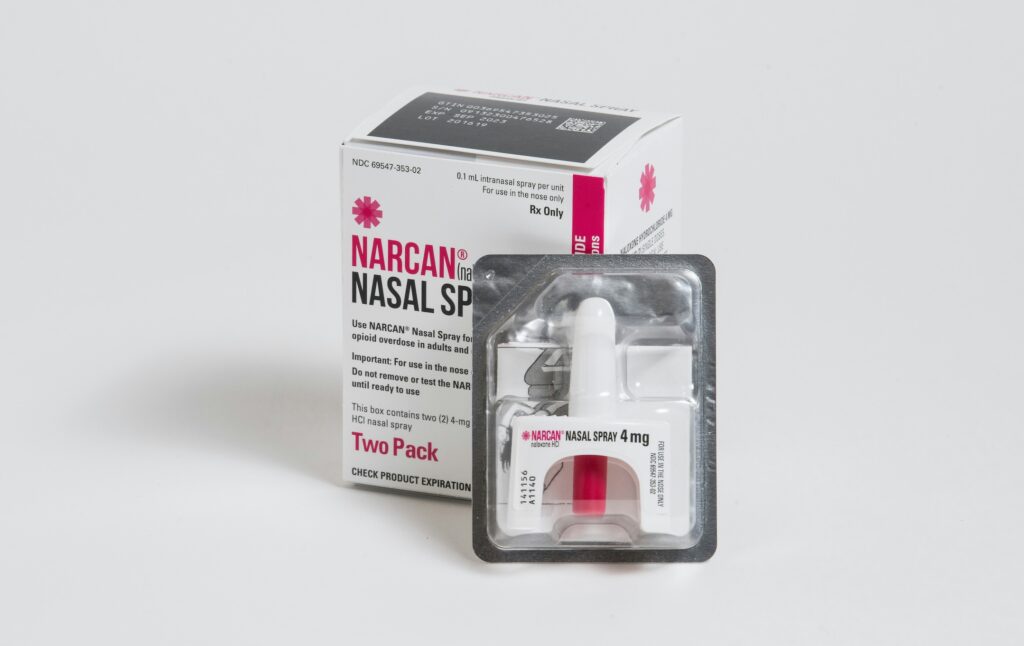
With opioid overdoses touching workplaces across Arizona, having naloxone on-site is no longer optional—it’s part of modern workplace safety. Learn how employers can take action, reduce risk, and pair naloxone with policies, education, and support through the Opioid Business Toolkit.
Supporting Loved Ones with Substance Use Disorder: Therapy Services and CRAFT

Learn how therapy services and evidence-based approaches like Community Reinforcement and Family Training (CRAFT) empower family members and significant others to support individuals struggling with Substance Use Disorder (SUD).
The Hidden Crisis in Your Workplace: Understanding Opioid Use Disorder’s Impact on Teams

According to KFF research, 29% of Americans, nearly one in three, report that either they or someone in their family has been addicted to opioids. If you’re a business leader reading this, that percentage isn’t abstract. It’s your workplace. It’s your team. It’s the person in the next office or on the next video call. Keep reading to learn more.
Webinar | The Hidden Holiday Crisis: Opioid Risks and What to Know

Join us on Wednesday, November 19 at 12 p.m. for a free webinar featuring Dr. Holly Geyer (Chair, Mayo Clinic Opioid Stewardship Program AZ) and Dr. Craig Norquist (Program Director, Clinical Informatics Fellowship, HonorHealth). Learn how stress and stigma can contribute to relapse and how organizations can take action.